
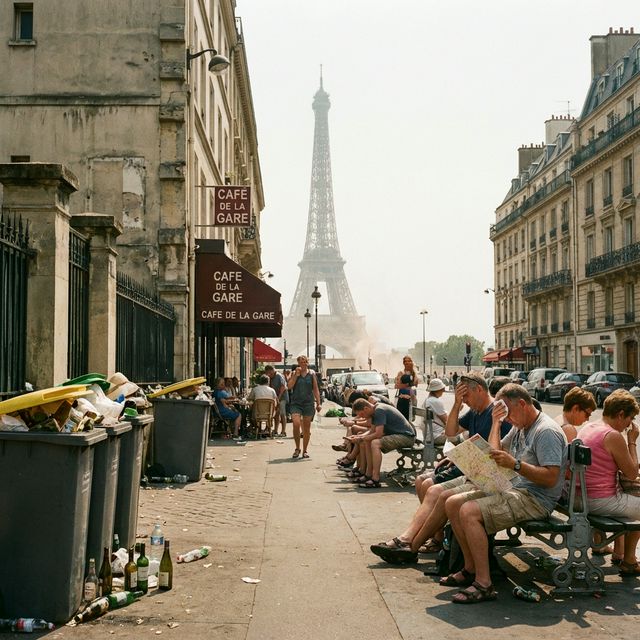
Paris in September is not the empty, golden, local-only fantasy people describe online. It can be beautiful, but it is still Paris: expensive, busy, event-driven, and unforgiving if you plan it like a casual shoulder-season trip.
Quick Verdict
Paris in September is worth it for first-timers, couples, museum travelers, and food-focused trips. It is not ideal for budget travelers who expect low-season prices, families who need flexible schedules, or anyone who hates booking timed entries in advance.
Is Paris Worth Visiting In September?
Yes, Paris is worth visiting in September, but only if you understand what you are buying: better walking weather, active restaurants, and a city that feels alive again after August. The catch is that crowds and hotel prices do not disappear. September is comfortable, not cheap or empty.
That distinction matters because most Paris advice treats September like a magic reset button. It is not. The first half of the month can still carry late-summer demand. The second half can collide with business travel, fashion events, art openings, school-year travel, conferences, and couples trying to dodge July and August. If your budget is tight, a random Tuesday in September can still price like peak season once the wrong event hits the calendar.
EasyTripAI looks at September as a decision problem, not a postcard. The question is not whether Paris is beautiful in September. It is. The real question is whether the dates, neighborhood, budget, and pace you are choosing will give you the Paris trip in your head. Use the free trip reality check before you commit, especially if your hotel is non-refundable.
| Factor | Reality Score | What It Means |
|---|---|---|
| Weather | 8/10 | Usually better for walking than July or August, with some rain risk. |
| Crowds | 5/10 | Major sights remain busy. Do not expect empty museums. |
| Value | 5/10 | Can be fair outside event weeks, brutal during compressed dates. |
| Romance | 9/10 | Evening light, outdoor dining, and walkable temperatures are the win. |
| First-time ease | 7/10 | Good month if you pre-book the highest-demand pieces. |
The September Crowd Reality
The crowd pattern is different from August, not automatically lighter. In August, the pain is often heat plus visitors plus partial local closures. In September, the pain shifts toward compressed demand. Restaurants reopen, locals return, business travel restarts, and travelers who avoided summer pile into the same "better weather" window.
The places that feel worst are predictable: the Louvre pyramid, Eiffel Tower approaches, Rue de Rivoli, Montmartre viewpoints, Trocadéro at sunset, Saint-Germain cafe streets, and the narrow lanes around popular Marais food spots. If your itinerary has the Louvre at 11 a.m., Eiffel Tower at sunset, dinner near a landmark, and Montmartre on a weekend, September will not save you. You built a high-friction trip.
The fix is sequencing. Put major museums at opening or late afternoon. Use neighborhoods as anchors instead of bouncing between postcards. Spend one day on the Left Bank, one day around the Louvre and Palais Royal, one day in the Marais and Canal Saint-Martin, and one day for a quieter outer neighborhood or day trip. A realistic 3 day Paris itinerary should reduce cross-city zigzags, not maximize pins on a map.
The Weather Is Better, But Your Packing Still Matters
September is one of the better walking months because the heavy summer heat usually starts to ease. That does not mean you should pack for one season. Paris can swing between warm afternoons, cooler nights, rain showers, and stuffy metro rides. The correct packing strategy is layers, shoes you can actually walk in, and one smart outer layer that does not make every photo look like a hiking trip.
Do not underestimate footwear. Paris punishes cute but untested shoes. You will walk over cobblestones, metro stairs, museum floors, uneven sidewalks, and long river paths. The most common September regret is not weather. It is planning an elegant walking city trip with shoes designed for two blocks.
Before you leave, run your dates through the AI packing list generator. The useful version of a Paris packing list is not "bring a jacket." It is "bring a packable layer because your dinner reservation ends after the temperature drops and your hotel is a 17-minute walk from the metro."
The Hotel Trap: Pretty Area, Bad Logistics
September hotel choice can make or break the trip. The mistake is booking the most romantic-looking area without checking metro access, stairs, luggage logistics, and how often you will cross the city. Montmartre can be magical, but an uphill walk after dinner is less charming when you are tired. The far edges of the city can look affordable, but the savings disappear when every day starts with a long transfer.
Good Paris hotel strategy is boring in the best way: stay near a useful metro line, avoid being too close to the biggest tourist bottlenecks, and choose a neighborhood that matches your evening habits. If you want late dinners and wine bars, convenience matters more than a balcony photo. If you want museums, central access matters. If you want a quieter trip, look around Canal Saint-Martin, Batignolles, or parts of the 11th rather than sleeping inside the postcard zone.
Use the trip budget calculator before choosing an outer neighborhood. A cheap room that adds 40 minutes of transit twice a day can cost you the thing you actually came for: time in Paris.
Restaurant Reality: September Is Not Walk-In Heaven
One of the best reasons to visit Paris in September is that the food scene feels alive again. The flip side is that everyone else knows this too. Popular bistros, modern bakeries, wine bars, and chef-driven casual places can book out quickly. The old advice to wander until you find somewhere charming still works in some neighborhoods, but it fails near major attractions and viral restaurants.
The tourist trap pattern is simple. You are tired, hungry, and near a famous sight. A menu appears in five languages. A waiter waves you in. The terrace is convenient. The bill is not shocking enough to feel like a scam, but the meal is forgettable and twice what it should be. That is the Paris food trap: not a dramatic con, just a slow leak of money and meals.
Build your food plan around neighborhoods. Save two or three backup restaurants on the same walking route. Book one or two important meals, leave room for casual discoveries, and avoid eating within sight of the biggest landmarks unless you have researched the place. For a sharper safety and scam read, check the travel scam alerts tool before your trip.
Best September Paris Itinerary Strategy
The right September plan uses mornings for high-demand sights, afternoons for flexible neighborhoods, and evenings for reservations or river walks. Do not stack Sainte-Chapelle, Louvre, Eiffel Tower, Montmartre, and a Seine cruise into one heroic day. That plan reads well in a spreadsheet and feels awful in real life.
A better four-day structure looks like this. Day one: arrival, gentle Left Bank walk, early dinner. Day two: Louvre or Orsay at a booked time, Palais Royal, covered passages, dinner nearby. Day three: Eiffel Tower exterior, Rue Cler or Invalides, Seine walk, late museum or viewpoint. Day four: Marais, Canal Saint-Martin, or a lower-friction day trip. If you have five days, add Versailles only if you are willing to treat it as most of a day, not a morning errand.
This is where AI planning helps if the AI is reality-aware. A normal planner will pack your route with famous names. A useful planner will tell you that the route requires four metro transfers, two timed tickets, and more standing than romance. Build your custom route in the AI trip planner, then audit it with the reality check.
Who Should Avoid Paris In September?
Avoid September if you need the cheapest possible Paris trip, hate planning ahead, or are expecting a quiet city. Also avoid it if your dates overlap with a major event and your hotel budget is already stretched. Paris is not relaxing when every compromise is financial.
Choose September if your priority is walkability, restaurants, museums, romance, photography, and a city that feels fully awake. The month rewards travelers who plan the bones of the trip early and leave the right kind of space open. It punishes travelers who assume "shoulder season" means no consequences.
The Best Alternative Months If September Looks Expensive
If your September hotel search starts looking irrational, do not force it just because a guide told you September is the best month. Late October can be a smarter Paris window for travelers who care about museums, food, and walking more than warm evenings. Early November can be excellent for value if you accept shorter days and a higher chance of rain. March can work for budget-conscious travelers who want the city without peak-season pressure, though it is less reliable for weather and cafe terraces.
The worst move is to downgrade every important part of the trip just to keep the September label. A worse hotel, worse neighborhood, worse flight time, and worse restaurant access can erase the benefit of better weather. If the budget only works with compromises that make the trip harder, shift the month or choose a French city with better value. Lyon, Lille, Bordeaux, Strasbourg, and Nantes can all deliver food, architecture, culture, and weekend energy with a lower stress profile. That is not "settling." It is matching the trip to the reality of your dates.
For couples and first-timers, September is still one of the safest Paris bets if the money works. For students, families, and budget travelers, the better question is not "Is September good?" It is "Is my exact September week good at my exact budget?" That is the question a reality check is designed to answer.
Before You Book
Run your exact dates through the EasyTripAI Reality Check. Paris in September can be brilliant, but the difference between brilliant and overpriced is often one event week, one bad hotel location, or one fantasy itinerary.
Sources And Checks To Use
Before final booking, check official Paris tourism event listings, the RATP network for transport updates, museum ticket calendars, and your airline baggage rules. EasyTripAI can help structure the decision, but live event and transport checks should always happen before you pay for non-refundable bookings.